
Photo: Markus Winkler / Pexels
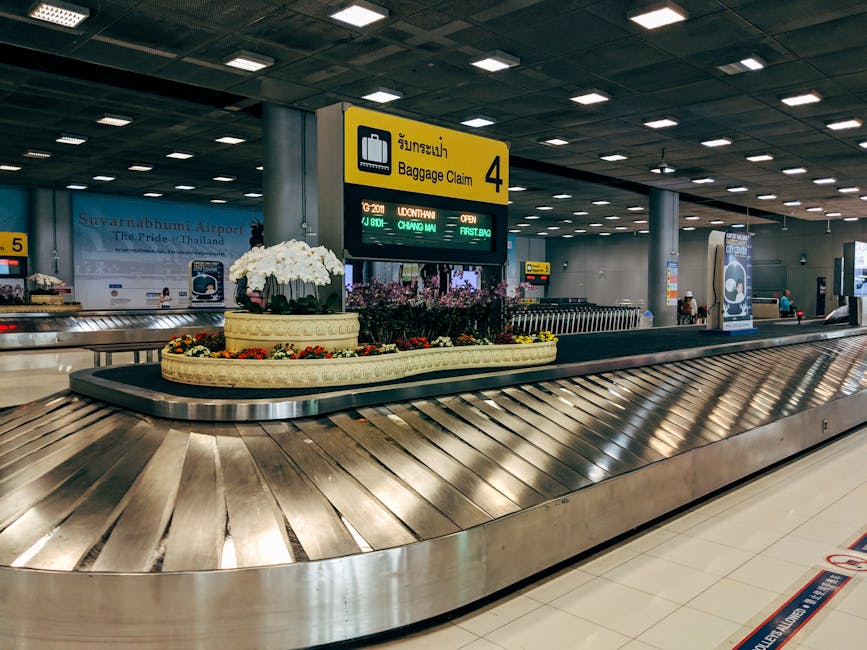
Suvarnabhumi Airport's staffing practices are under scrutiny after passenger baggage piled up and acceptance of new air cargo was temporarily suspended. Flooding is widely seen as the trigger, but reports say it was not the only factor. Outsourced ground-handling workers are hired on daily or freelance terms, and some did not turn up. If you are flying through Bangkok (BKK) in the coming days, here is what is going on and how to protect yourself.
What happened
Passenger baggage has been piling up at Suvarnabhumi, and the airport temporarily suspended acceptance of new air cargo. That adds pressure on airlines, cargo operators and businesses that rely on air freight.
Why the backlog built up
Flooding is widely seen as the trigger, but reports say it was not the only cause. Outsourced ground-handling workers are hired on daily or freelance terms, without permanent contracts. Some of them did not turn up because of the conditions, and the company had limited ability to compel them. The resulting ground staff shortage is cited as one factor in the baggage backlog of recent days.
Critics say daily and freelance arrangements usually mean lower pay and fewer benefits than permanent airline staff get.
Who is behind the ground staff
Thai Airways International holds a concession for certain ground services at Suvarnabhumi. In 2010 it set up a separate company to supply personnel for its operations. Thai Airways owns 49% of that company, and Phuket Airport Catering Company (PACCO) owns the other 51%.
During Thai Airways' business rehabilitation, the airline cut its workforce. Outsourced workers took over some duties previously done by airline employees, which increased the outsourcing company's role.
Some of the company's directors are reportedly former Thai Airways personnel. This has raised questions about possible conflicts of interest and access to internal information. The article says these are still matters for further examination.
What is still unclear
The companies and agencies involved need to clarify how flooding, logistics problems, staff shortages and outsourcing each contributed. The wider point is that airport operations are vulnerable when essential services depend heavily on temporary labour, especially when emergencies stop workers reaching their workplaces.
Other airport news
- Thai Airways cancelled 37 additional flights through 1 Oct.
- The Thai Airways board suspended its CEO after the Suvarnabhumi flood disruption.
- A viral video shows a passenger organising flight queues at the airport.
- Thai Airways confirmed its full flight schedule returns on 3 Oct.
Weather outlook
On 4 Oct, heavy rain was forecast in 32 provinces, with showers in Bangkok. Prolonged rain is forecast for central Thailand from 11 to 14 Oct. Chachoengsao had flash floods. Thailand also launched disaster insurance for 30 million households.
What this means for travellers
- Expect possible delays or lost or late baggage at Suvarnabhumi in the coming days, even though Thai Airways says its full schedule resumed on 3 Oct.
- Allow extra time at the airport.
- Keep valuables, medication and essentials in your carry-on.
- Photograph your bags and keep your tags. Report missing baggage at the airline desk before leaving the arrivals hall.
- Check flight status before leaving for the airport, as more rain is forecast, including 11 to 14 Oct in central Thailand.
- If you are shipping goods by air freight, expect delays.
- Travel insurance that covers baggage delay and flight disruption is worth having.
Information sourced from The Thaiger.