
Photo: Markus Winkler / Pexels
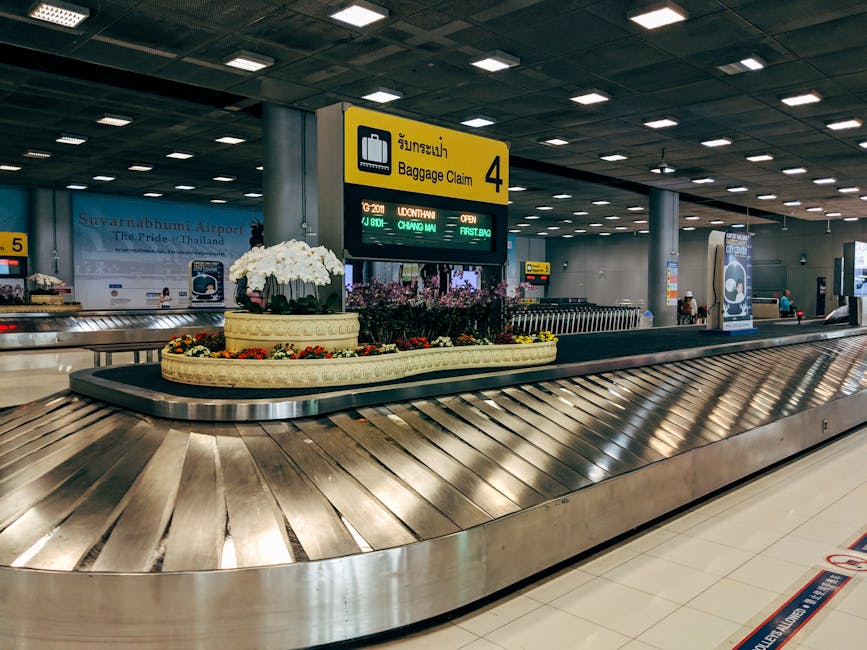
Thai Airways is dealing with baggage backlogs and widespread flight delays at Suvarnabhumi Airport, and the disruption has run for several days. The airline says flooding left it short of general staff and licensed specialist staff. A frontline employee has described the exhaustion and poor communication behind the scenes. If you're flying through Bangkok, here's what's going on and how to prepare.
What's happening at Suvarnabhumi
Thai Airways says flooding left it short of general staff and licensed specialist staff. This has contributed to baggage backlogs and widespread flight delays at Suvarnabhumi. Related headlines say the airline cancelled 37 additional flights through 1 Oct, and that six airlines are letting flood-hit passengers rebook or hold their fare. The tourism minister has also criticised Thai Airways over the baggage delays, and another headline says the delays "affect country's image."
A view from the frontline
A Thai Airways frontline employee posted an anonymous account on the Facebook page THAI Aviation Flyer, covering the previous 2–3 days. It describes long hours and little information:
- Staff report early in the morning and get home near daylight. Some have barely enough time to shower and change before going back.
- Staff normally use 10–20 Line groups for instructions and updates. During the crisis, many of these went quiet.
- Little support was given for food and water. Some senior colleagues paid for food, water and snacks for younger staff, and some staff ate leftover sandwiches prepared for passengers.
On the lack of information, the employee said: "We ask for information, but no one responds. We do not know what we are waiting for. We do not know what is going to change."
They also described what that means at the counter: "In the end, the people standing directly in front of the passengers are still the frontline staff. We have to answer the questions. We have to listen to the frustration. We have to explain what we can. Even when, sometimes, we do not have the answers ourselves."
The employee added: "At this point, I don't think I can continue to defend the company anymore, at least not until the situation begins to settle down."
Passengers and staff
The employee said passengers have every right to be angry and demand accountability. They apologised for the delays and inconvenience, and thanked passengers who encouraged staff, especially Thai passengers who approached them to offer support.
They also stressed that a flight needs many departments working together: "A flight does not operate because of one person alone. It takes people from many different departments, teams, and areas of operation working together to make one flight happen."
And: "I simply want to share another perspective from the people working on the frontline. We did not want this situation to happen either, and we certainly did not want our passengers to have to go through it."
What this means for travellers
- Expect continued delays and long baggage waits at Suvarnabhumi on Thai Airways flights.
- Airport staff may have no clear answers. Check flight status through the airline's app or website rather than relying on the counter.
- More cancellations are possible. 37 extra flights were already cancelled through 1 Oct.
- Pack essentials (medication, chargers, a change of clothes) in your carry-on.
- Bring your own water and snacks in case of long waits.
- Six airlines are letting flood-affected passengers change flights or hold fares. Ask your airline about flexibility.
- Be patient with staff. They are exhausted and short of information themselves.
- Allow extra buffer for connections and for onward travel from Bangkok.
Information sourced from The Thaiger.