
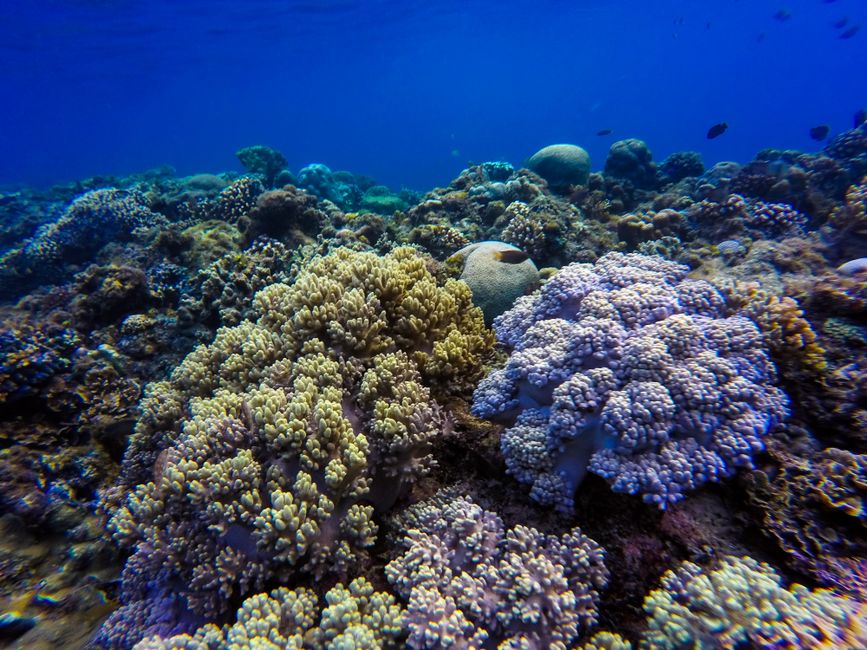
Photo: John Cahil Rom / Pexels
Coral Bleaching Hits Mu Koh Surin as Sea Temperatures Rise
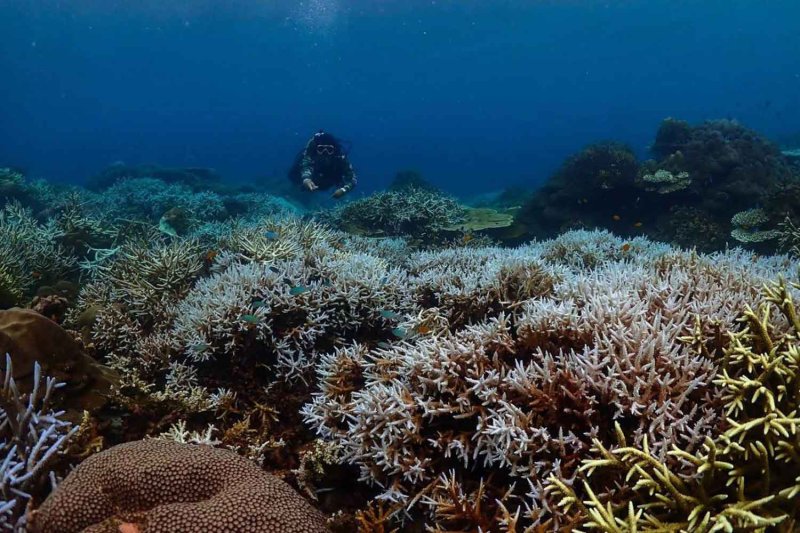
A late-June survey at Mu Koh Surin National Park in Phangnga province has found coral bleaching at multiple dive sites, triggered by seawater temperatures climbing to 30-31C, above the seasonal average. The park is currently in its annual off-season closure, with a standard reopening date of 15 October 2026, but park officials have warned that reopening could be delayed or come with tighter access rules if the corals have not recovered by then.
What the Survey Found
The survey, carried out on 26 June 2026, covered five sites across the park. Ao Suthep was in the worst shape, with around 50% of coral bleached or paling. Ao Phak Kat was at roughly 30%. Three other sites, Ao Tao, Ao Mae Yai, and Laem Chong Khat, each came in around 10%. Staghorn coral was among the species affected.
Department of National Parks Director-General Atthapol Charoenchansa linked the bleaching directly to rising sea temperatures, describing it as evidence of climate change's growing impact on Thailand's marine ecosystems.
How Serious Is This?
For context, Mu Koh Surin suffered a major bleaching event in 2010. Recovery from that episode took around 13 years. The current situation is being watched closely, with surveys now scheduled every 15 days. The next one is due in mid-July 2026.
Officials have set a key threshold: if bleaching exceeds 40% across the park by the October reopening date, stricter measures will kick in. Those could include anchor bans on reef areas and caps on visitor numbers. Park Chief Arthit Khayankij has also said the closure could be extended beyond October if recovery is insufficient.
What This Means for Visitors
If you are planning a trip to Mu Koh Surin for diving or snorkeling later in 2026, it is worth checking the reopening status closer to October. Access to Ao Suthep in particular may be restricted depending on how corals recover over the coming months.
Authorities are tracking conditions using in-water temperature loggers, NOAA Coral Reef Watch satellite data, and a per-site bleaching database to make those calls.
Information sourced from Bangkok Post.